
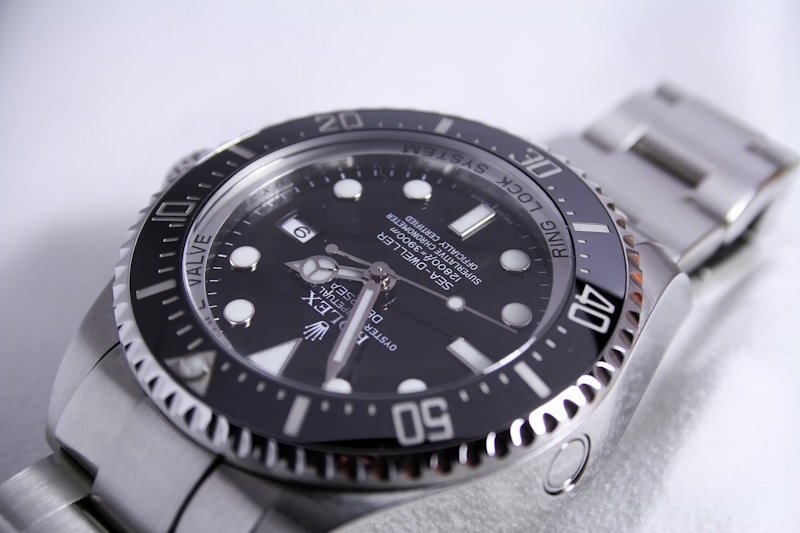
A watch complication is any function beyond basic time display. From simple date windows to astronomical calendars requiring centuries of calculation, complications represent the mechanical ingenuity that separates ordinary watches from horological masterpieces.
In this comprehensive guide, we explore every major complication category, understand their mechanical principles, and examine how they impact watch value and collectibility.
In This Guide
Basic Complications
| Complication | Function | Adjustment |
|---|---|---|
| Date | Day of month (1-31) | 5× per year |
| Day-Date | Day + date display | 5× per year |
| Power Reserve | Remaining mainspring energy | None |
| Small Seconds | Seconds on subdial | None |
Chronograph
A stopwatch function added to the watch movement. Pushers start, stop, and reset elapsed time measurement.
- Standard: Start/stop/reset with two pushers
- Flyback: Instant reset and restart
- Rattrapante (split-seconds): Two independent chronograph hands
- Monopusher: Single pusher controls all functions
Note: Integrated chronograph movements (like Rolex 4130 or Zenith El Primero) are more valuable than modular chronographs added to base movements.
Calendar Functions
| Type | Function | Manual Adjustment |
|---|---|---|
| Simple Calendar | Date, day, month | 5× per year |
| Annual Calendar | Knows 30/31-day months | 1× per year (March 1) |
| Perpetual Calendar | Knows leap years | None until 2100 |
| Moon Phase | Lunar cycle display | Varies by accuracy |
GMT & World Time
- GMT: Second time zone via 24-hour hand
- Dual Time: Second hour hand (12-hour)
- World Time: 24 time zones on rotating disc
- True GMT: Hour hand adjustable in 1-hour increments without stopping
Grand Complications
The most complex mechanical achievements in watchmaking:
| Complication | Function |
|---|---|
| Minute Repeater | Chimes time on demand via hammers and gongs |
| Grande Sonnerie | Automatic striking + minute repeater |
| Equation of Time | Difference between solar and civil time |
| Astronomical | Sunrise/sunset, star charts, zodiac |
Tourbillon
Abraham-Louis Breguet invented the tourbillon in 1801 to counteract gravity’s effect on pocket watch accuracy. The entire escapement rotates in a cage, averaging positional errors.
- Standard: Single-axis rotation
- Flying: No upper bridge, visually striking
- Double-axis: Two rotating cages
- Triple-axis: Three rotating planes (Gyrotourbillon)
Modern Reality: Tourbillons offer minimal practical accuracy improvement in wristwatches. Their value lies in mechanical artistry and watchmaking craftsmanship demonstration.
Watch Complications — Expert Answers
Q: Do complications affect reliability?
More components mean more potential failure points. However, quality manufactures engineer complications for durability. Service intervals may increase slightly.
Q: Most useful complication?
For travelers: GMT. For professionals: chronograph. For collectors: perpetual calendar. Utility depends on lifestyle.
Q: Why are perpetual calendars so expensive?
They require hundreds of additional components to track 28/29/30/31-day months and leap years. Assembly demands exceptional skill. Prices reflect genuine mechanical complexity.
Q: Worth buying tourbillon watches?
For horological appreciation, yes — they showcase ultimate craftsmanship. For accuracy improvement, no — modern movements achieve excellent precision without them.
Final Thoughts
Complications transform watches from timekeeping instruments into mechanical art. While smartphone functions render most complications practically unnecessary, the ingenuity required to achieve these functions through gears and springs represents human achievement worth preserving and appreciating.
